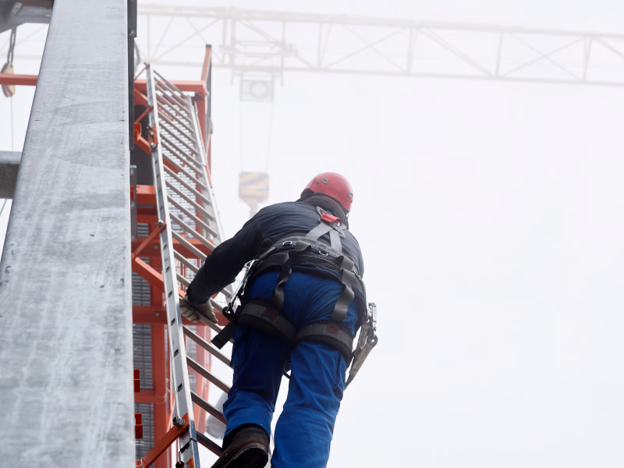

A roof man safe system provides a controlled means of protecting people who need to access areas at height, but the way a system is assessed and installed can vary considerably between a new-build project and an existing roof. On a new development, access requirements can be considered alongside the structure from an early stage. With an existing building, the starting point is different because the condition, construction and previous alterations to the roof all need to be understood first.

In both cases, safety needs to drive the decision. A man-safe system should not be treated simply as a collection of anchor points added wherever installation is most convenient. It needs to reflect how the roof will actually be accessed, where maintenance will take place and what risks users are likely to encounter.
Where Does The Work At Height Hierarchy Fit In?
Before specifying any roof safety system, the Work at Height Regulations 2005 require the normal hierarchy of control to be considered. Work at height should be avoided where reasonably practicable, falls should then be prevented where the activity cannot be avoided, and only after that should measures be used to minimise the distance and consequences of a potential fall. Collective protection also takes priority over personal protection where reasonably practicable.
This matters because a personal fall-protection system may not always be the first or only solution. Existing guardrails, suitable edge protection or other collective measures may provide protection in some locations, while an anchor or lifeline system may be appropriate in others. The final arrangement needs to follow the risk assessment rather than starting with a preferred product.
What Is Different On A New Build?
A new-build project provides greater opportunity for the relevant designers and specialists to consider access requirements alongside the developing roof layout. Plant locations, maintenance routes, rooflights, exposed edges and structural fixing points can all be reviewed before the structure is complete. This helps create a clearer picture of how people will need to move around the roof throughout the building’s operational life.
Considering the roof man safe system at this stage can also make structural coordination more straightforward. Suitable fixing locations and anticipated loading can be assessed before finishes are complete, reducing the need to work around unknown construction details later. The system still requires competent design and installation, but early involvement gives the project team more opportunity to coordinate it with the finished building.
Why Existing Roofs Need More Investigation
On an existing building, the information available at the start may be less certain. Original drawings might not reflect later changes, roof coverings may have been replaced, and additional plant or services could have altered the original maintenance routes. Existing anchors should not automatically be assumed to remain suitable simply because they are already installed.
The roof structure, substrate and waterproofing therefore need to be considered before new fall-protection equipment is introduced. Any proposed fixing method also needs to be compatible with the existing construction so that improving access safety does not unnecessarily compromise the roof itself.
BS 7883:2019 provides recommendations for the design, installation, use, maintenance and inspection of workplace anchor systems. It also addresses system documentation and considerations around previously installed systems, making competent assessment particularly important where existing equipment is being incorporated or reviewed.
Fall Restraint And Fall Arrest
Different roof fall protection systems can also operate in different ways. A restraint arrangement is intended to prevent the user from reaching a position where a fall can occur, while a fall-arrest system is designed to arrest a fall once it has happened. That difference affects matters including system positioning, user equipment, clearance and rescue arrangements.
The intended method of use therefore needs to be clear before installation. A system that is suitable for one roof layout or maintenance activity may not provide the same level of protection for another, particularly where users need to move close to edges or around obstacles.
Why Inspection And Documentation Continue To Matter
Installation is not the end of the process. Building operators need appropriate information explaining how the system is intended to be used, what limitations apply and what compatible personal protective equipment is required. Inspection and maintenance requirements also need to remain part of the building’s ongoing work-at-height arrangements.
Changes to the roof can affect these arrangements over time. New plant, alterations to access routes or major roof works may change how a system needs to operate. For this reason, the suitability of the roof man safe system should continue to be considered whenever significant changes are made to the working environment.
Keep Your Roof Access Safe And Compliant
Whether you are considering fall protection for a new building or reviewing an existing installation, we can assess your access requirements and provide specialist support for man-safe systems. Our focus is on safe, compliant and practical solutions that reflect how the roof will actually be used. Contact us to discuss installation, inspection or certification requirements for your site.

Safety at Height Services: Why Cheapest Rarely Means Best Value
Why You Should Use Specialist Access Services Instead of Doing It Yourself