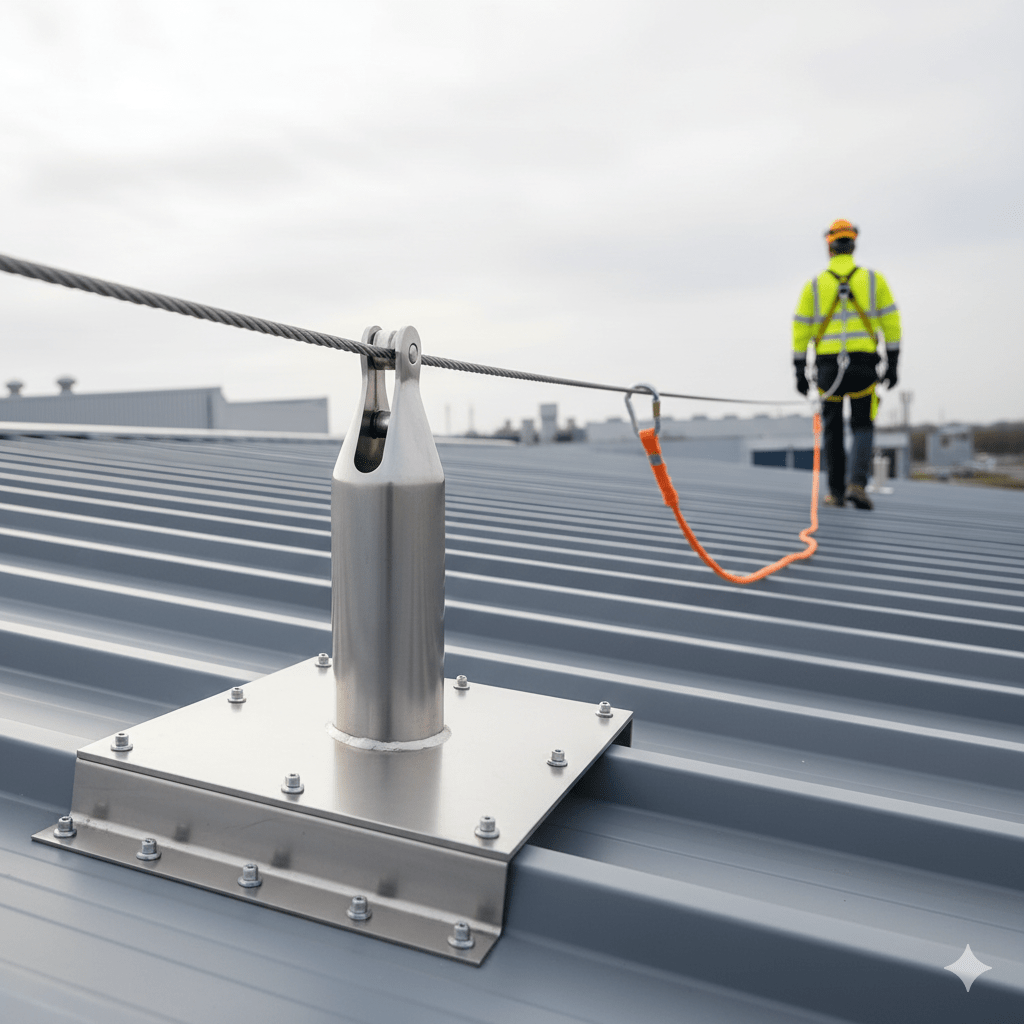

Working at height carries inherent risks that require robust and reliable safety measures. A man safe system is a critical component of fall protection, but its effectiveness depends entirely on its structural integrity and the quality of its installation. In the UK, strict regulations govern the frequency of safety checks to ensure these systems protect workers as intended. Failing to adhere to these schedules introduces serious safety risks and exposes building owners, facility managers, and duty holders to potential legal and regulatory consequences.

Understanding The Minimum Inspection Requirements
In the UK, the standard frequency for man safe system inspection is at least once every 12 months. This timeframe is defined by British Standards (specifically BS EN 795 and BS 7883) and the Work at Height Regulations 2005. A year is considered the maximum safe interval for any fall arrest or restraint system to remain in service without a professional reassessment of its components and anchor points.
These annual checks are not merely visual observations from a distance. They involve a thorough, hands-on examination of all fixings, cables, shock absorbers and end-posts. Because fall protection equipment is often exposed to the harsh British elements, regular man safe system testing ensures that less visible issues, such as internal corrosion or structural fatigue within the base material, have not compromised the system’s performance.
When To Increase Inspection Frequency?
While the 12-month rule serves as the legal baseline, certain site conditions demand more frequent visits to maintain safety standards. Environmental factors play a significant role in how quickly a system deteriorates over time. For instance, if a system is located on a coastal site, it is constantly susceptible to salt spray, which significantly accelerates metal corrosion. Similarly, systems installed in heavy industrial areas with high chemical emissions or acidic soot may require bi-annual checks to ensure they remain functional.
Usage levels also dictate the appropriate schedule. A system used daily by internal maintenance teams or external contractors will experience far more wear and tear than one used once a quarter for simple gutter cleaning. If your site sees high-volume use or is accessed by multiple different parties throughout the month, increasing the frequency of man safe system maintenance is a proactive way to manage risk and extend the overall lifespan of your safety assets.
Circumstances Requiring Immediate Re-Certification
Certain events nullify an existing safety certificate immediately, regardless of when the last inspection took place. You must arrange for a professional inspection if any of the following occur:
- A Fall Has Occurred: If a system has arrested a fall, it has been subjected to extreme shock loading. Even if the cable looks intact, the integrity of the anchors and internal components may be affected and must be professionally assessed before further use.
- System Modifications: Any changes to the roof layout, the addition of new plant machinery or repairs to the system itself require a new round of man safe system testing to ensure the modifications meet current safety standards.
- Suspected Damage: If contractors report a loose component or if a severe storm has caused visible debris damage, the system must be decommissioned until a professional man-safe system inspection is completed.
- Structural Alterations: Works carried out on the building’s structure or roof deck can affect the points where the system is anchored. If the substrate is weakened, the system is no longer safe.
The Role Of The Competent Person
Legislation requires that all inspections and certifications be carried out by a 'competent person'. This is defined as someone with the specific technical knowledge, specialised training and hands-on experience to identify potential defects that may not be identified without the appropriate training and experience. A competent person understands the nuances of different roof types and the specific torque requirements for various fixings.
Comprehensive man safe system maintenance involves checking that the original installation still aligns with the latest UK safety legislation, which can evolve over time. Following the inspection, the competent person will issue a formal certificate of compliance and update the system tags located at access points. This documentation forms a key part of health and safety records and must be available for inspection by the HSE (Health and Safety Executive) to prove you have met your duty of care.
Ensuring Long-Term Compliance And Safety
Maintenance is not just about passing a yearly test; it is about establishing a culture of ongoing safety. Keeping a detailed log of all inspections, repairs and daily usage helps track the health of your fall protection equipment over its entire lifecycle. Regular man-safe system testing provides assurance that, when in use, the system is capable of performing as intended under controlled conditions.
Neglecting these schedules can lead to system failure, which can result in legal, financial, and regulatory consequences for businesses. Staying ahead of the 12-month deadline ensures your site remains operational, your insurance remains valid, and most importantly, your workers remain protected. Regular man-safe system maintenance supports ongoing compliance, safe operation, and effective risk management. If you are unsure whether your man safe system remains compliant, contact us to arrange an inspection or discuss your requirements.
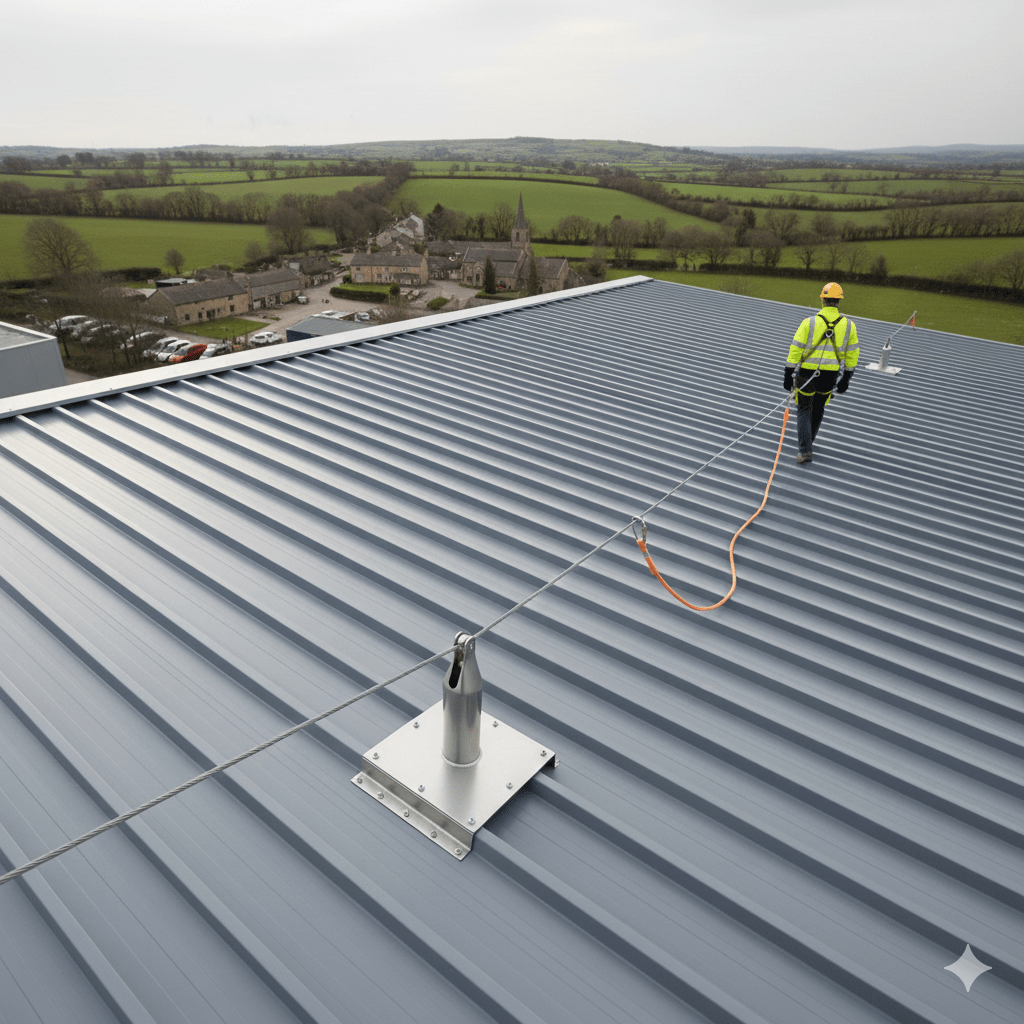
BS 8681:2024: How Specialist Contractors Are Adapting To Ensure Compliance
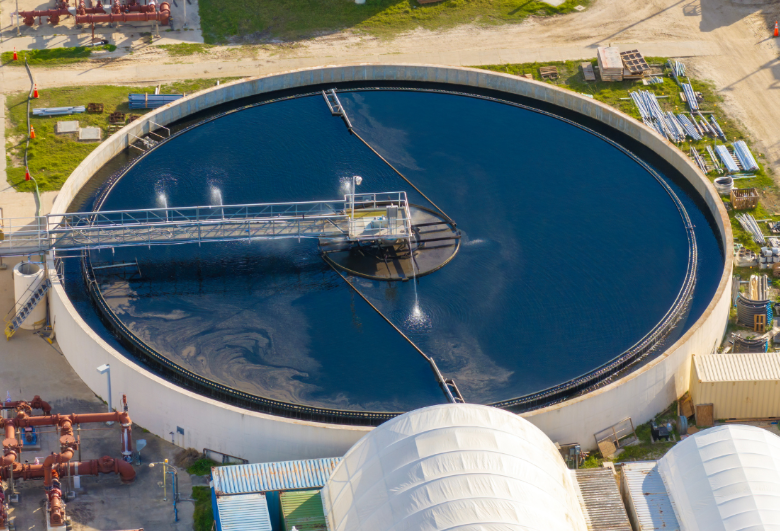
The Essential Role Of Civil Engineering In Sewage Treatment Infrastructure