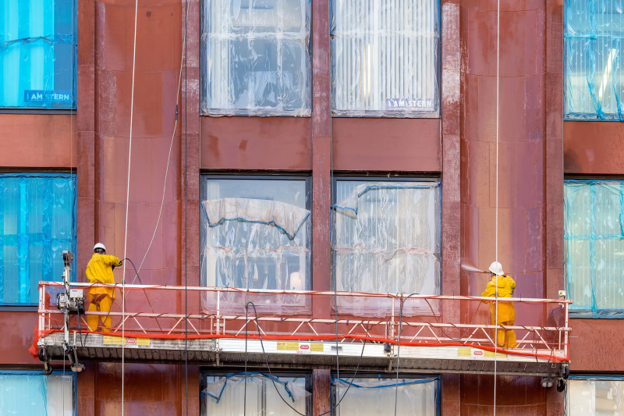

For many facilities managers, accessing difficult areas of a building presents a significant logistical challenge. Traditional methods like scaffolding or heavy plant machinery often require lengthy lead times and significant physical space. Rope access provides a controlled method of accessing high or difficult-to-reach locations, allowing technicians to carry out work safely and efficiently without extensive ground-level setup. By using industrial rope techniques, teams can descend or ascend building envelopes to carry out essential tasks while minimising ground-level disruption.

The Precision Of Rope Access Inspection
Maintaining the structural integrity of a building starts with a clear view of its condition. A rope access inspection allows a technician to get within arm's reach of an asset, providing a level of detail that is not typically achievable through drones or long-range photography alone. This hands-on approach is essential for identifying early signs of material fatigue or structural damage.
During these surveys, technicians can perform tactile checks on masonry, steelwork and glazing seals. This ensures that any issues are caught before they develop into costly, large-scale failures. Because the equipment is portable and quick to install, these inspections can be carried out on live sites while minimising disruption to entrances and day-to-day operations.
Streamlining Scheduled And Reactive Rope Access Maintenance
Once an inspection is complete, the focus shifts to upkeep. Implementing a strategy for rope access maintenance is one of the most cost-effective ways to manage a facility's exterior. Whether it is a planned annual service or a reactive response to a sudden leak, industrial rope systems allow work to be mobilised quickly, subject to site planning and safety controls
Specialist access teams can move horizontally and vertically across a façade in a controlled manner. This agility makes it possible to carry out multiple tasks in a single visit. For example, a team could clear gutters, check mastic joints and clean windows in one deployment. This efficiency reduces the ‘time on tool’ and lowers the overall risk profile of the project, as technicians typically spend less time working at height compared to more complex access methods such as full scaffolding systems.
What Jobs Can You Do With Rope Access?
A common question for those new to this method is what jobs can you do with rope access beyond simple cleaning? The range of applications is extensive. Because technicians are often dual-trained in specific trades, they can perform complex remedial works at height.
- Concrete Repairs: Technicians can remove loose material and apply specialist mortars to restore the building’s surface.
- Steelwork Coatings: Protecting structural steel from the elements is vital. Teams can strip back rust and apply high-performance corrosion treatments.
- Sealant Replacement: Ensuring a building is watertight requires the precise application of mastic to expansion joints and window frames.
- Signage and Lighting: From installing large-scale branding to replacing high-level LED fixtures, rope access provides a stable platform for electrical work.
These tasks need to be performed by IRATA-certified professionals who operate under the strict guidelines of the Work at Height Regulations 2005. This certification is the gold standard in the industry, ensuring that every movement on the ropes is planned, managed and executed with safety as the primary priority.
Why Facilities Managers Choose Rope Access Inspection?
From a managerial perspective, a key benefit of rope access inspection is the reduction of downtime associated with access setup. Scaffolding can take days or weeks to assemble, during which time access areas may be restricted and ground-level space occupied. In contrast, rope systems can often be rigged and de-rigged within a single shift.
This speed is particularly beneficial for high-traffic environments like city centre offices or retail hubs. It allows for a discrete presence on-site. When the technicians finish their shift, they simply remove their ropes, leaving minimal equipment on-site and reducing ongoing obstruction. This level of flexibility makes rope access a practical option for recurring inspections and maintenance programmes.
Safety And Compliance In Modern Maintenance
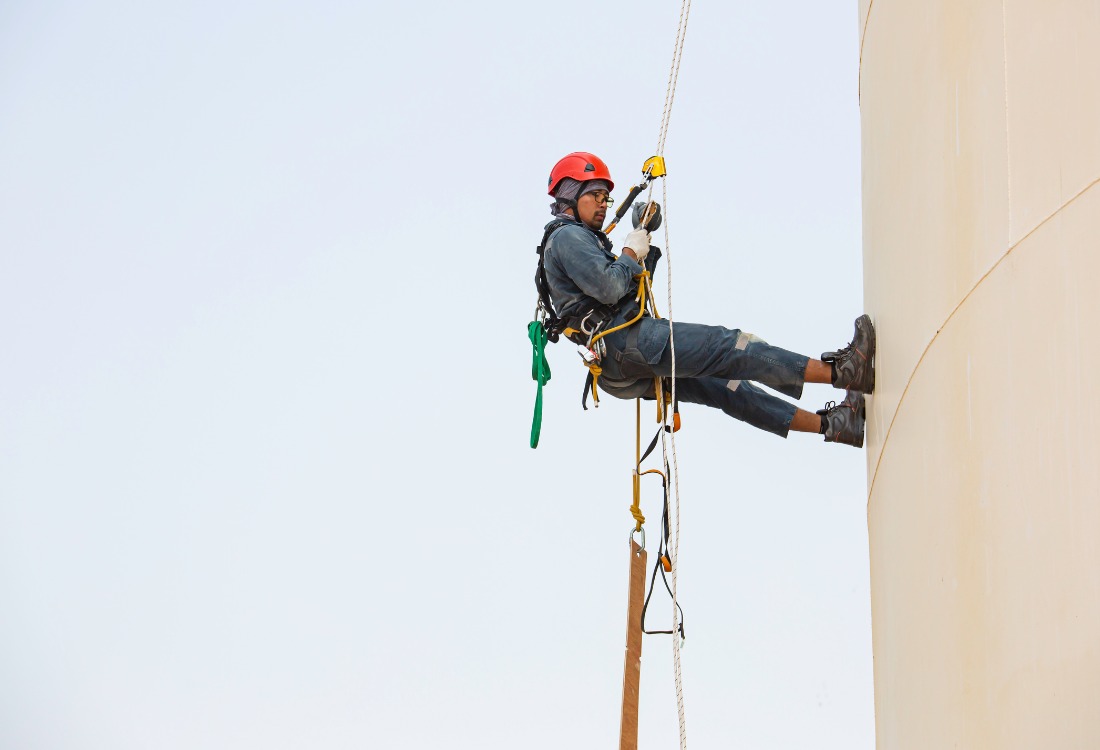
The UK has some of the highest safety standards in the world regarding working at height. Utilising rope access maintenance supports compliance with duty of care requirements under the Work at Height Regulations. The methodology relies on a two-point attachment system, meaning every technician has a primary working line and a secondary safety backup.
When asking what jobs you can do with rope access, it is also important to consider the environmental impact. Rope access has a much lower carbon footprint than traditional methods, as it does not require heavy transport for large steel components or the fuel-intensive operation of powered access platforms. It is an efficient approach that reduces the need for heavy equipment and associated transport.
Long Term Asset Protection
Consistency is the key to preventing building decay. By scheduling regular intervals for a rope access inspection, you create a historical record of the building's health. This data is invaluable when planning long-term budgets for capital expenditure or when negotiating insurance premiums.
Work carried out by IRATA-certified technicians ensures that inspections and maintenance are delivered in line with recognised industry standards. These professionals are trained to spot the subtle signs of water ingress or salt-air corrosion that can plague coastal properties. Addressing these minor repairs through rope access maintenance prevents them from evolving into major structural liabilities.
If you are currently managing a site with difficult-to-reach areas, rope access is often a suitable and efficient solution. It combines speed and safety with a level of versatility that is not always achievable with other methods.
Unsure whether rope access is suitable for your site? Contact us and speak to a member of the ADSS team today.

Image Source: Canva
.png)
How Often Should A Man Safe System Be Inspected And Certified In The UK?
How To Reduce Risk While Working At Height