

On constrained or high-risk sites, access is never a secondary consideration. In fact, it’s the means by which every other activity is made safe, efficient and compliant.
Choosing the wrong approach to difficult access services can stall programmes, inflate costs and expose people to avoidable risk. The right strategy, grounded in site-specific planning and the Work at Height Regulations 2005 hierarchy of control, helps you keep your delivery predictable and incidents rare.

Why Access Strategy Determines Programme And Safety?
Access is a critical path decision. If your platforms, scaffolds or rope teams do not match the task or environment, productivity drops immediately. Your crews will spend time fighting the method rather than completing the work. In parallel, safety exposure rises: poor edge protection, unsuitable anchorage or overreaching from the wrong device increases the likelihood of falls, not to mention dropped objects and near misses. A clear, early decision to use specialist access services that actually fit the geometry, duration and frequency of tasks is what protects both your people and your programme.
Start With A Site-Specific Risk Assessment
A thorough assessment sets the baseline for difficult access services. It should identify:
- Hazards and Interfaces: Fragile roofs, overhead lines, public interfaces, live plants and confined spaces.
- Ground and Structure: Bearing capacity, fixing points, parapet conditions and potential anchor locations for specialist access.
- Task Profile: Duration, repetition, load requirements, tools, materials handling and rescue implications.
Applying the hierarchy of control means first asking if working at height can be eliminated or reduced. Where it cannot, you need to prioritise collective protection (e.g. compliant scaffolds or edge protection) over personal systems, and ensure any specialist access services include a credible rescue plan.
Matching The Method To The Task
Your method selection should be driven by the work, not by habit or what happens to be on hire:
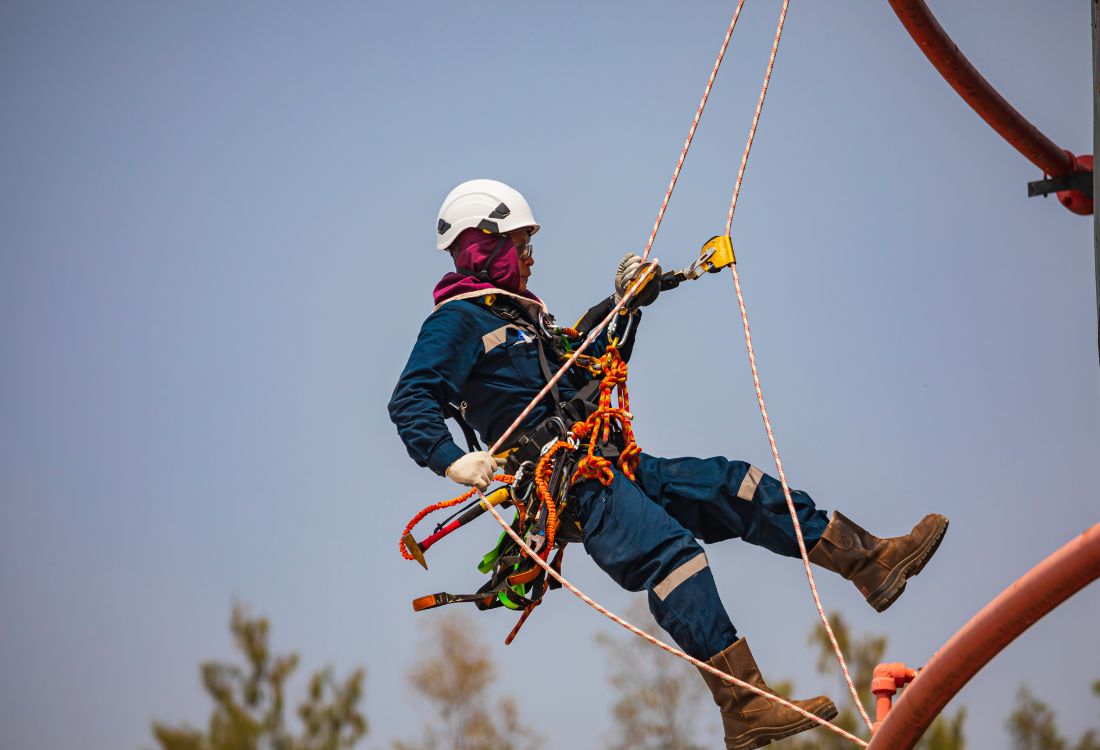
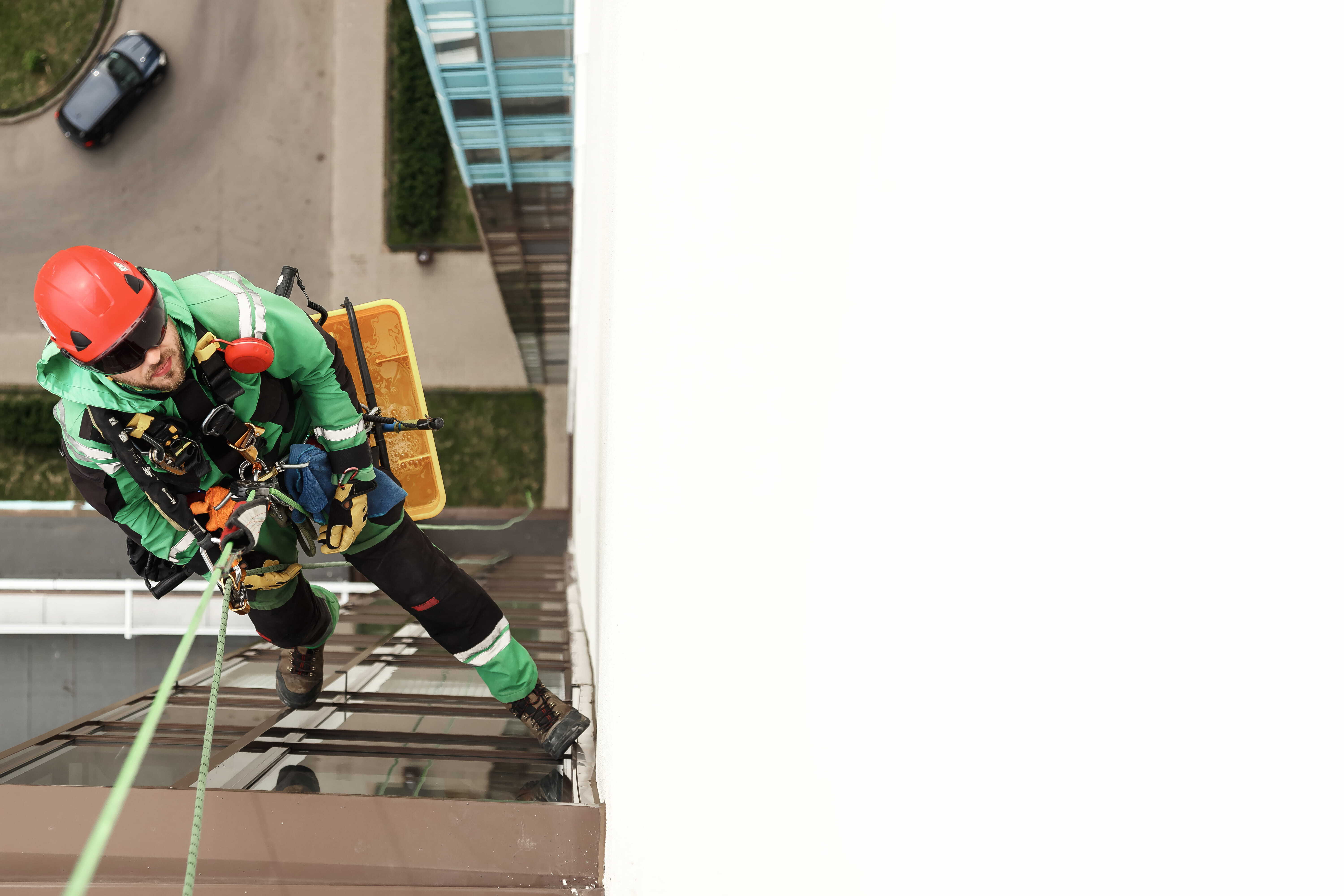
- Short-Duration, Dispersed Tasks: Rope access or compact MEWPs can reach multiple locations quickly with minimal ground footprint, reducing disruption and set-up time.
- Fixed, Long-Run Activities: Traditional scaffolding may provide the safest, most stable platform, particularly for heavy materials or multi-trade interfaces in difficult access services.
- Confined or Fragile Environments: Lightweight gantries, tensioned lines or negative-pressure roof systems can remove point loading and protect fragile surfaces.
- Repetitive Maintenance: Permanent lifelines, guardrails and dedicated davits pay back quickly and reduce manual handling exposure for ongoing specialist access.
When your method aligns with the task duration, frequency and load, your productivity improves and unplanned changes disappear from the programme.
The Hidden Costs Of The Wrong Access Method
Selecting an ill-suited approach creates cascading impacts, including:
- Restricted Working Area: Small platforms or poorly designed scaffolds force inefficient sequencing and increase time-on-tools.
- Rework And Delays: Inadequate reach or load capacity drives mid-project redesigns, new permits and added hire weeks.
- Increased Safety Exposure: Overreaching, ad-hoc anchoring and improvised lifting multiply risk, especially where public or live-plant interfaces exist.
- Operational Disruption: Bulky solutions can block fire egress, reduce parking and trigger avoidable shutdowns – all issues that better specialist access planning could avoid.
Compliance With The Work At Height Regulations 2005
Compliance is practical as well as legal. It requires demonstrable competence, equipment suitability and ongoing inspection. Your core expectations include:
- Hierarchy of Control: Avoid, prevent, mitigate. Show why your chosen method is the safest reasonably practicable option for specialist access services.
- Competence and Supervision: IRATA, IPAF and CISRS qualifications aligned to the method, with supervisors competent to challenge unsafe set-ups.
- Inspection and Records: Pre-use checks, in-service inspections and certification for lifting points, harnesses, MEWPs and scaffold structures.
- Rescue Planning: Task-specific, rehearsed recovery arrangements that can be deployed rapidly for difficult access services.
Planning For Logistics, Interfaces and Presentation
Live sites amplify the importance of logistics and stakeholder experience:
- Segregation and Wayfinding: Hoardings, barriers and clear routing to maintain safe public and tenant movement around specialist access operations.
- Delivery And Cranage: Just-in-time scheduling, lift plans and ground bearing checks to keep compounds tidy and productive.
- Environmental Controls: Noise, dust and debris management with clean-as-you-go practices that protect reputation and reduce complaints.
Quality Assurance That Reduces Rework
Build quality into your access from the start:
- Method Statements and ITPs: Define hold points for anchors, fixings, ties, platform levels and load tests across specialist access services.
- Materials Handling: Plan lifts, tug routes and mechanical aids to remove manual handling bottlenecks at height.
- As-Builts And Handover: Record anchor layouts, tie positions and lifeline spans to simplify future maintenance.
When To Choose Specialist Access?
Specialist access is the right answer when:
- Geometry Is Complex: Curved facades, atria, bridges and heritage assets where conventional scaffolding becomes intrusive or disproportionate.
- Time Windows Are Tight: Night works, rail or highway possessions, or shutdowns where rapid mobilisation and demobilisation matter.
- Ground Or Structure Is Limited: Low bearing capacity, restricted compounds or fragile roofs that constrain traditional solutions.
Experienced teams delivering specialist access services will assess options impartially (such as rope, scaffold, MEWP or hybrids) and evidence why their recommendation offers the best balance of safety, cost and programme.
The Role Of Experienced Contractors
The decision is not just about the kit. It is about behaviour, sequencing and documentation. Our experienced contractors integrate access with temporary works, lifting, rescue and building operations. We test assumptions early, produce clear RAMS, and maintain tidy, professional sites. Most importantly, we are disciplined about the Work at Height Regulations 2005 and understand that in difficult access services, the safest solution is also the most predictable for programme delivery.
Work With Us
Planning work in a complex or constrained environment? Speak to the ADSS team about site-specific planning and specialist access services that reduce risk, protect programmes and keep you compliant on difficult access services. Contact us to discuss the right method for your site.

Image Source: Envato
A Guide to Rope Access: Techniques and Uses
How Do You Choose The Right Working At Height Solution For Your Site?